Education access is easier to count than to fully understand. A child can be enrolled in school while still missing the support needed to read or work confidently with numbers. An October 21 webinar agenda from UNESCO’s Institute for Statistics addresses part of that challenge: making learning data more comparable and useful.
The published programme, organised with the Global Alliance to Monitor Learning, covers minimum proficiency levels, regional and global estimates, and revisions to guidance for choosing international learning assessments. This article reports the announced agenda; it does not claim independently verified attendance, decisions or new results from the meeting.
Comparability matters because two assessments can use different questions, standards and populations. A score does not explain its meaning on its own. Policymakers need to understand what was tested and whose learning the results represent before drawing conclusions across countries or over time.
The institute’s Learning Data Hub provides frameworks and technical guidance for measuring reading and mathematics at specified stages of education. It is intended to help countries align assessments and report against Sustainable Development Goal indicator 4.1.1.
For people supporting education, the practical lesson is to ask about learning as well as enrolment. What can pupils do? Which children are absent from the data? How will teachers use the findings? These are editorial questions readers can bring to a programme discussion, not claims that one assessment answers them all.
Educators and organisations can explore the official toolkit and agenda below. Better evidence can help identify where support is needed, provided that data inform teaching and inclusion rather than becoming an end in themselves.
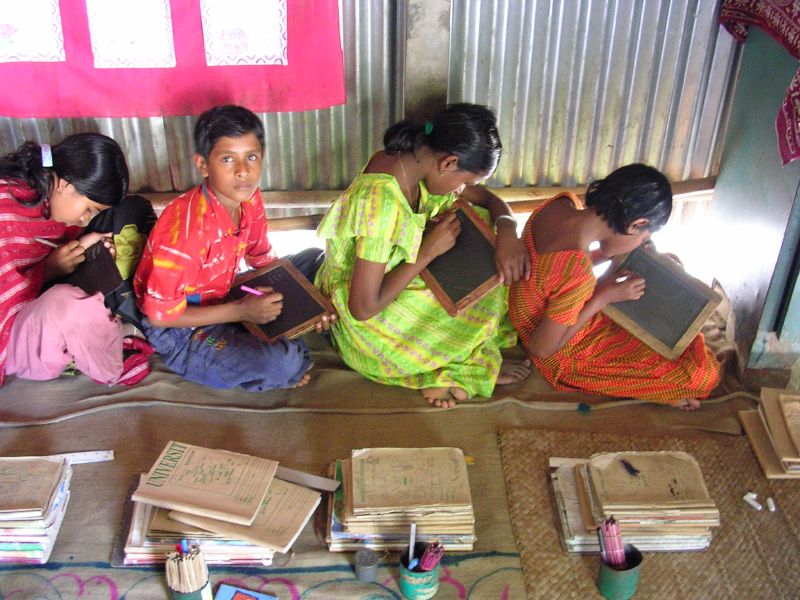
Featured image: a rural Bangladesh classroom in 2005, used as historical context; the children shown are not identified as participants in the assessments discussed.
Ways to help
Sources
- UNESCO UIS — October 21 learning-outcomes webinar agenda
- UNESCO UIS — Learning Data Hub and assessment toolkit
Produced with AI assistance for Humanitarian Explorer. Sources and image credits are provided on this page.